
Hilton Head Island Turtle Season 2026
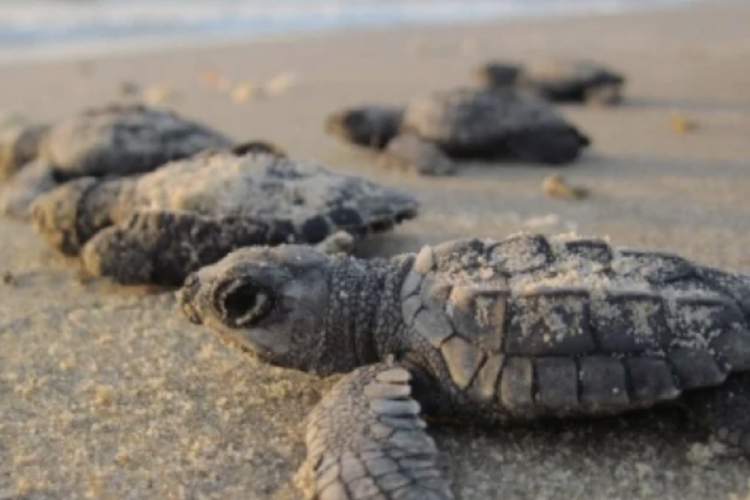
Hilton Head Island is a treasure for beach lovers, with miles of pristine shoreline, abundant wildlife, and a laid-back rhythm that makes it easy to unwind. Every year, the island also becomes a hotspot for a different kind of guests: our loggerhead sea turtles!
From late spring (April) through summer (August), nesting season transforms the beaches into a vital habitat for these ancient mariners. If you’re visiting Hilton Head during turtle season, a little awareness goes a long way toward protecting the turtles while still enjoying your vacation. If you are patient and visiting at the right time, you might get lucky and see hatchlings!
What is a loggerhead turtle season, and why does it matter here?
· Loggerhead sea turtles nest on Hilton Head’s sandy shores from about late April through August, with nesting peaking in June and July.
· After laying eggs, females return to the ocean, and the hatchlings emerge at night a couple of months later, making a perilous journey from dune to sea.
· Beachfront lighting, human activity, and nighttime disturbances can disorient nests and hatchlings, increasing their risk of predation, dehydration, and disorientation.
Key things vacationers should know and do (and not do) during turtle season
Respect nesting and nesting zones: Look for posted nesting zones and obey any access restrictions. These zones protect nesting sites and critical dune vegetation. Stay on designated paths and avoid walking on vegetation-covered dunes, which helps preserve nesting habitat and the stability of the beach.
Keep the beach dark and quiet at night: Bright lights can disorient hatchlings and nesting females. If you’re staying on or near the beach, minimize outdoor lighting and use turtle-friendly lighting when possible. Practice “lights out” behavior at night: dim interior lights, close blinds, and avoid shining flashlights toward the beach. Use red-filtered or amber-colored lights if you must walk near the beach after dark, and never shine lights directly on nests or hatchlings.
Mind your pets. Leash pets, and follow all town ordinances. Dogs can disrupt nesting behavior and harm hatchlings; even well-intentioned pets can chase or disturb wildlife. Many beaches have strict leash rules during nesting season—check local ordinances and adhere to them.
Don’t disturb nests, eggs, or hatchlings: Do not touch, move, or excavate nests. Hatchlings use natural cues to find the sea; interference can be fatal. If you see a sea turtle on the beach (nesting female or hatchlings), give a wide berth and notify beach patrol or local authorities.
Respect seasonal restrictions and signage. Some beaches or times may have protective closures or restrictions to safeguard nests and hatchlings. Follow all posted signs and lifeguard instructions. If you’re unsure about whether a particular area is closed or restricted, ask a lifeguard or local ranger.
Safe sea and tide awareness: Sea turtles hatchlings emerge mainly at night and head toward the sea. If you’re on the beach at dawn or dusk, watch where you step to avoid accidentally stepping on hatchlings or tracks. Strong currents and riptides can pose dangers to swimmers. Heed lifeguards’ warnings and swim in designated areas.
Respect dune ecosystems. Dunes protect nests and provide important habitat for many species. Do not stack beach chairs, dig large holes, or trample vegetation. If you’re collecting shells, do so gently and avoid disturbing the broader dune system.
Participate in conservation in simple ways: Many Hilton Head organizations run volunteer programs, nest protection efforts, or beach cleanups during the season. Participating (even as a family) can be a meaningful way to connect with the season.Support local conservation efforts by choosing eco-conscious accommodations, reducing light pollution, and following wildlife guidelines.
What to expect if you’re visiting during peak season
· Nighttime activity: You’ll likely notice more activity on the beach after dark, and you may encounter volunteer patrols or ranger stations. This is normal and part of safeguarding the nests.
· Hatching windows: Hatchling emergence is weather-dependent and can occur from late June through August or into early fall. While you might not witness a hatch, the experience of a quiet, protected beach at night can be memorable in itself.
· Educational opportunities: Many hotels, resorts, and user-friendly wildlife centers offer talks or displays about sea turtles. Check with your lodging or the Hilton Head Island Bluffton area tourism resources for events and tours.
Practical tips for a smooth, turtle-friendly visit
· Before you go: Check Hilton Head’s official wildlife resources, town pages, or the Sea Turtle Protection Association for current nesting status, closures, and guidelines.
· Pack smart: Bring a small flashlight with a red or amber filter if you’ll be on the beach at night, a reusable water bottle, and a bag to carry out any trash—keeping the beach clean helps hatchlings navigate toward the ocean.
· Plan late mornings: If you’re visiting during peak nesting, plan for a few sunrise or early morning beach walks when nests are less likely to be disturbed, and crowds are thinner.
· Talk to locals: Your hotel concierge, lifeguards, or rangers can share local rules and best practices. They’re a great source for up-to-date information.
Love Turtles?
Turtle talks on Hilton Head Island are educational programs hosted by Sea Turtle Patrol, Hilton Head Island and offer presentations about loggerhead sea turtles, their nesting behavior, hatchling journeys, and how guests can help protect them. These talks are typically led by wildlife experts or rangers and often include Q&A, visuals, and tips for turtle-friendly beach practices.
Schedule varies by season and venue, with talks commonly offered in the evenings during nesting season (roughly late spring through summer). To attend, check with Sea Turtle Patrol Hilon Head Island and their event calendar: https://seaturtlepatrolhhi.org/eventcalendar/
Hilton Head Island’s turtle season is a community effort. Local businesses, residents, and visitors all play a part in protecting these species while still enjoying the beach. Small, mindful choices have a big impact: minimizing light, staying off dunes, avoiding nest areas, and respecting wildlife signage.
Categories: