
The Must-See Historical Landmarks of Hilton Head
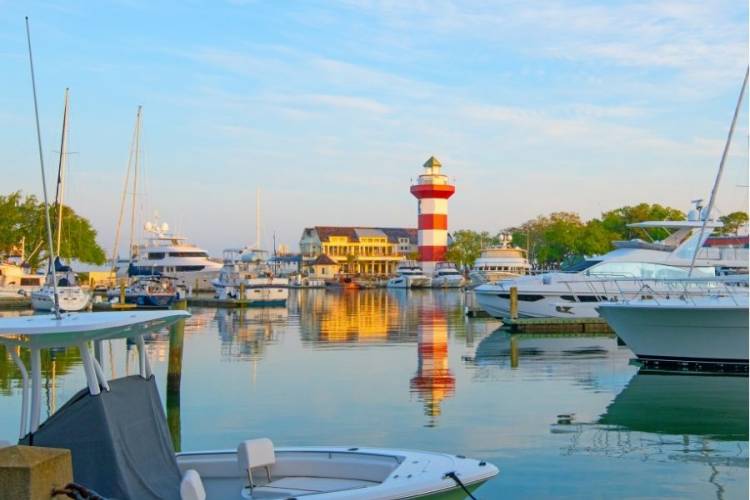
Looking Beyond the Beaches
Hilton Head Island is known for its wide beaches, bike paths, and golf courses, but it also has a history that stretches back thousands of years. From Native American settlements to Civil War battles and the founding of Mitchelville, the island’s past is still visible today. Exploring these sites gives visitors a better understanding of Hilton Head’s story and the people who shaped it.
Mitchelville: The First Freedmen’s Town
One of Hilton Head’s most important historical landmarks is Mitchelville, established in 1862 during the Civil War. It was the first self-governed town of formerly enslaved people in the United States. Residents elected leaders, built homes, opened schools, and created a functioning community.
Today, the Mitchelville Freedom Park preserves that history through walking trails, educational signs, and cultural exhibits. Visiting the site offers insight into the courage and determination of the people who built a new life here under extraordinary circumstances.
Civil War Forts on Hilton Head
Hilton Head was a key Union stronghold after the Battle of Port Royal in 1861, and several military sites from that era remain.
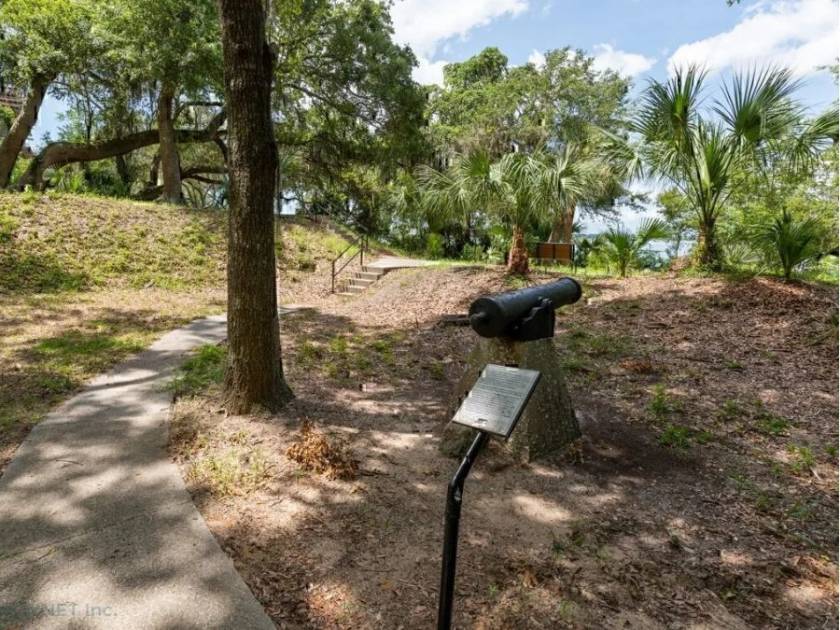
- Fort Mitchel was constructed in 1862 to guard the approach to Port Royal Sound. The earthworks are still visible today, and visitors can walk the grounds with interpretive signage explaining the fort’s role.
- Fort Howell, built later in the war, was designed to protect Mitchelville. It is one of the best-preserved earthen forts on the island and is open to the public for self-guided visits.
Both forts provide an important perspective on Hilton Head’s military significance and its connection to the broader history of the Civil War.
Zion Chapel of Ease and Baynard Mausoleum
Before the Civil War, Hilton Head was home to several wealthy plantation families. The Zion Chapel of Ease, built in 1788, served many of them. The chapel no longer stands, but the Baynard Mausoleum, built in 1846, still remains on the site. It is the oldest surviving structure on Hilton Head and is listed on the National Register of Historic Places. The quiet setting, surrounded by live oaks, makes it a meaningful stop for visitors interested in the island’s early history.
Gullah Heritage on Hilton Head
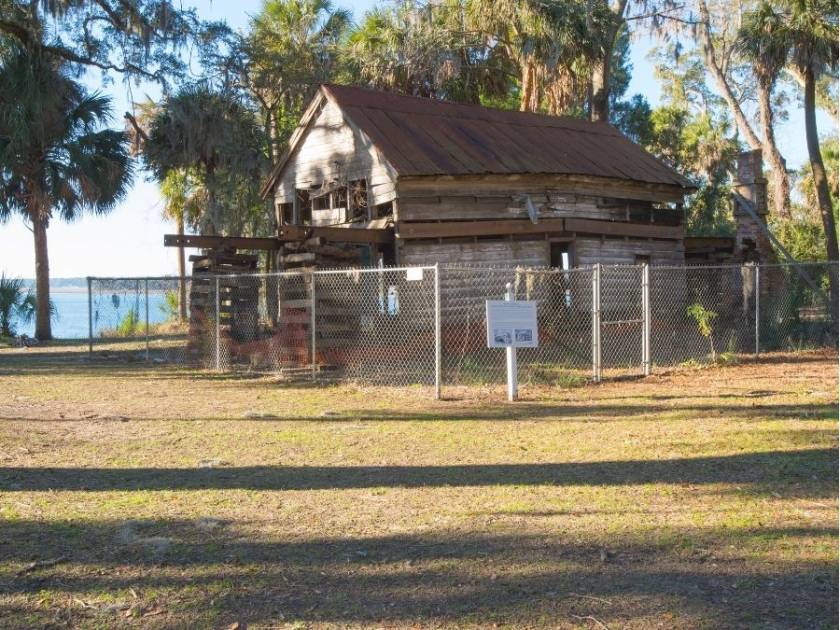
Hilton Head is also known for its connection to the Gullah people, descendants of enslaved Africans who lived in the Sea Islands. The Gullah preserved unique traditions in language, food, crafts, and storytelling that continue today.
Visitors can learn more at the Gullah Museum of Hilton Head, which includes restored historic buildings and educational programs. Guided tours and cultural events, such as the annual Hilton Head Island Gullah Celebration, provide additional opportunities to experience and understand this important heritage.
The Native American Shell Ring
Hilton Head’s history stretches back thousands of years, long before European settlers arrived. In the Sea Pines Forest Preserve, you can visit a 4,000-year-old shell ring, a circular mound of oyster shells believed to have been built by Native Americans. It is one of the oldest known archaeological sites in the region and offers a glimpse into the island’s earliest communities.
The Harbour Town Lighthouse
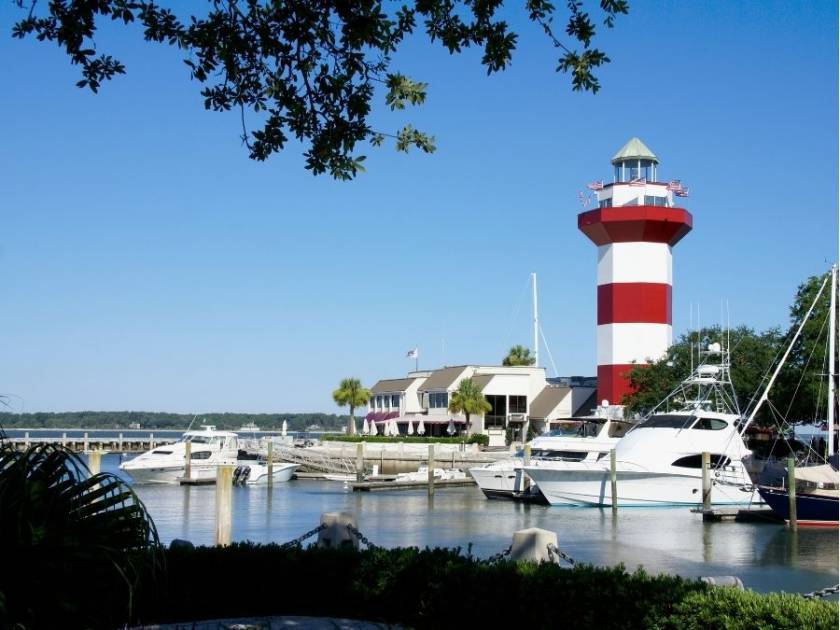
Although it is much newer than other landmarks, the Harbour Town Lighthouse has become a symbol of Hilton Head. Built in 1970, it reflects the island’s development into a modern vacation destination. Inside, a small museum explains the history of the island, and climbing to the top provides panoramic views of the surrounding waters.
Staying Near Hilton Head’s History
Beachside Getaway rentals place you close to both the beaches and the island’s historical landmarks. Whether you choose an oceanfront rental with easy access to Port Royal Sound, a pet-friendly property near the island’s trails, or a centrally located villa, you’ll be within reach of Hilton Head’s historic sites.
Exploring the Island’s Past
Hilton Head offers more than outdoor recreation and relaxation. Its history tells stories of resilience, change, and community that shaped not only the island but also the nation. On your next visit, take time to explore these landmarks and experience a side of Hilton Head that goes far beyond the beach.
Categories: